

























The Sift Fraud Intelligence Center
Stay ahead of emerging threats with industry data, consumer trends, and practical guidance for smarter fraud prevention.

Current Fraud Trends
On behalf of Sift, Researchscape International polled 1,065 adults (aged 18+) across the United States via online survey in February 2026.
Current Fraud Trends
The ATO ring that looked like loyal users
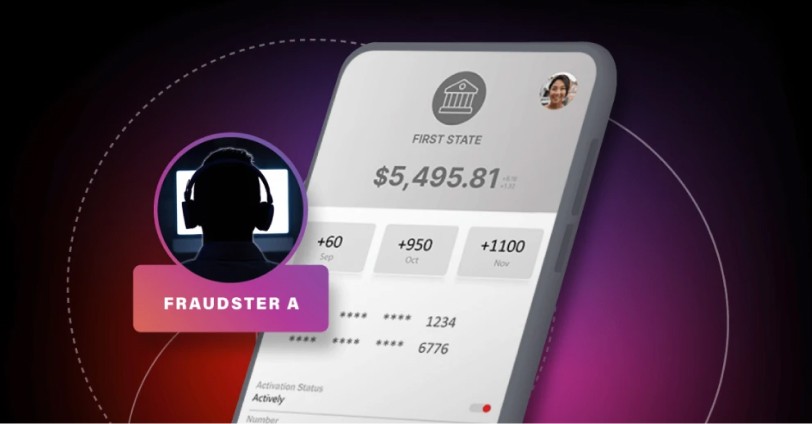
In this loyalty program fraud ring identified across the Sift network, bad actors used a mix of ATO’d accounts and born-bad accounts to commit first-party payments fraud and mileage plan abuse. They accessed legitimate loyalty accounts, changed associated email addresses, and redeemed or transferred points before account holders knew anything was wrong.
The ring spanned more than 90 businesses across multiple industries and generated nearly 13,000 attempted transactions. Because the cluster included victimized customers, compromised accounts, and fraudsters operating through newly created accounts, it produced mixed risk signals, with manual blocks and accepts coexisting inside the same connected network.
Inside an ATO Fraud Ring
Travel & Hospitality
Industry account · ATO fraud ring
Multiple identities confirmed
using this single account
Manually blocked
Reason: account takeover (ATO)
The card-testing ring hiding in low-value transactions
This food delivery ring followed that pattern closely. One email address cycled through 94 distinct credit cards, generating 390 transactions across five businesses while keeping average order value at $4.06, below common detection thresholds and going unnoticed by many cardholders. Chargebacks appeared at a single merchant, but the broader card footprint extended across the cluster.
Inside a Card Testing Fraud Ring
Food & Delivery
Industry account · card testing ring
Amount exceeding $800
Via Visa card · 2 days ago
Manually blocked
Food & Delivery industry account
0.6%
On behalf of Sift, Researchscape International polled 1,065 adults (aged 18+) across the United States via online survey in February 2026.
Fraud's Impact on Customer Loyalty
Percent of consumers who would abandon a brand due to fraud
68% of consumers would no longer use or shop on a site where they had been a victim of payment fraud.
68% of consumers would no longer use or shop on a site where they had been a victim of payment fraud.
75% of consumers would stop using a site where they experienced ATO.
68% of consumers would stop using a website completely if they encountered fake or misleading content on it.
62% of consumers would shop less or not at all with a brand after a chargeback caused by fraudulent use of their payment information.
Data represents responses to multiple surveys of U.S. adults conducted by Sift between 2020–2026.
Expert Insights
Our Trust and Safety team uncovers the latest scams, discusses the future of fraud, and shares the biggest fraud threats facing digital businesses today.
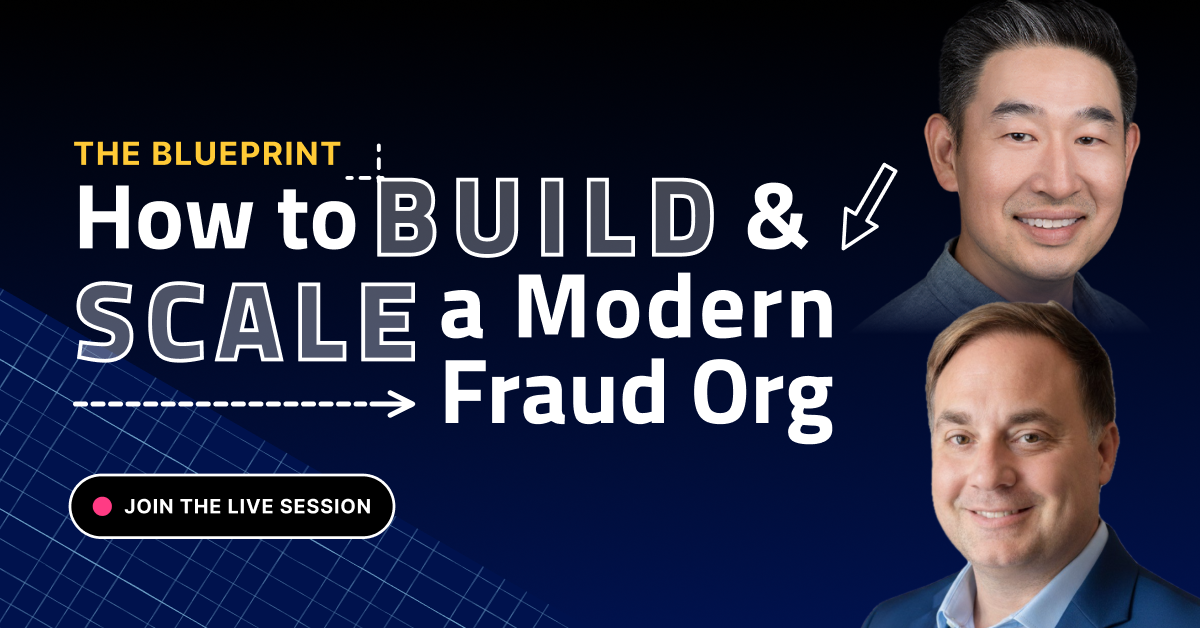

We talk a lot about fraud rates, but the real question is what your data is actually connected to. A 3% block rate at one merchant might be the tail end of an attack that started somewhere else entirely, and the merchant that absorbed the first wave had no way of knowing it. Network intelligence helps teams detect fraud faster because it expands what they’re able to see in the first place.
Kevin Lee
Field Chief Technology Officer, Sift

Tools & Resources

About This Center
The Sift Fraud Intelligence Center was built to centralize knowledge, tools, and alerts about digital fraud and abuse trends. Sift’s award-winning fraud prevention platform delivers digital trust at scale to leading global businesses across multiple industries. Our deep investments in machine learning, a data network scoring 1 trillion events per year, and a commitment to long-term customer success empower more than 700 customers to grow fearlessly.