
































Lots of companies are racing to add “AI-powered” features to their products right now. It’s the trend of the moment, and for some, that’s the whole strategy. When I sit down with actual customers, that’s rarely what they’re asking about. Instead, they ask some version of the same question: what changed in the product this time around that meaningfully impacts what my team can do next week?
That question matters more than it sounds. A platform’s job isn’t to ship features. It’s to make sure your team wins, protects revenue, and grows with less friction. Here’s the rundown of our latest release, and why each piece matters more than a changelog usually suggests.
See The Whole Customer, Not a Series Of Events
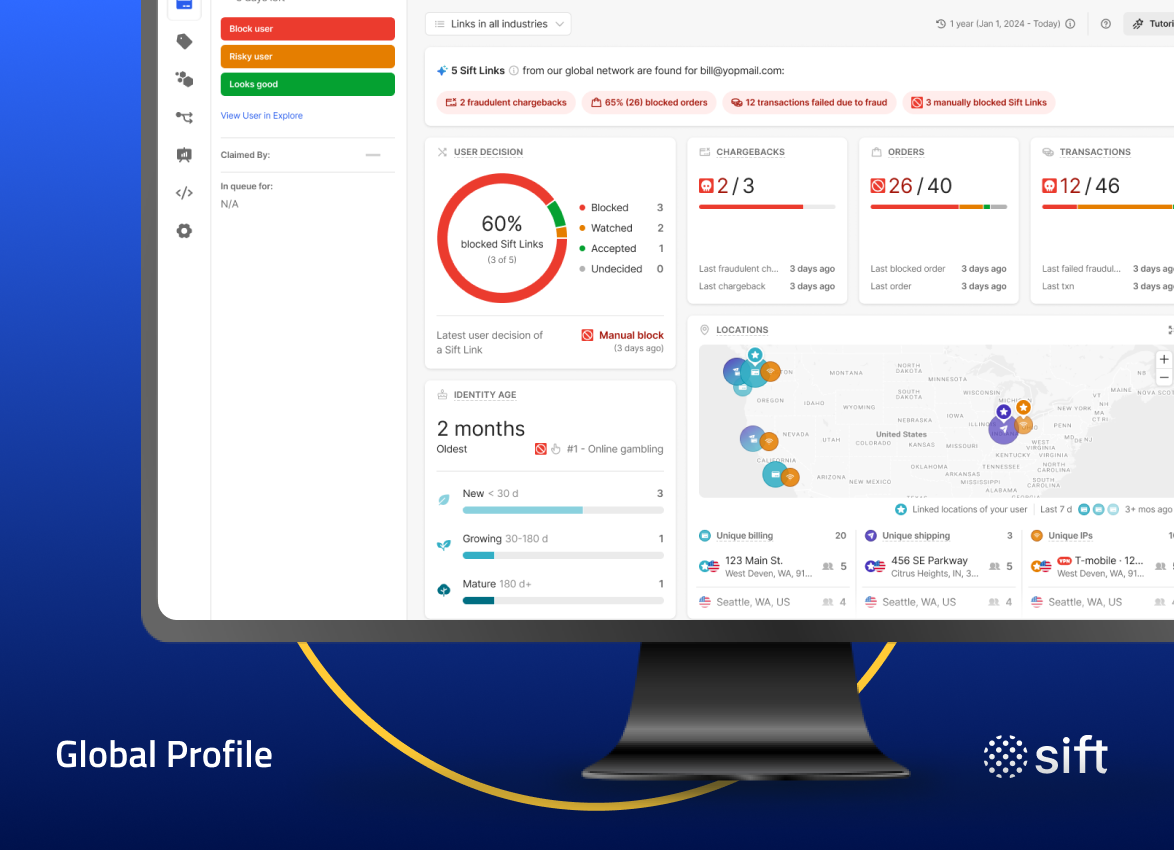
The fastest way to make a wrong fraud call is to look at one transaction in isolation. A single event tells you almost nothing about whether the person behind it is trusted or new-and-suspicious. Global Profile Intelligence is our answer to that: near-real-time resolution that keeps network identity links current, plus a new Global Profile widget that puts that context directly where an analyst is already working, inside the Console. We’ve also extended Global Profile criteria into Workflows and Explore, so the routing logic itself can use cross-network context instead of guessing.
The point isn’t more data for its own sake. It’s fewer wrong calls and fewer customers caught in the crossfire as a result of incomplete information.
Cut Off Attacks At The Root
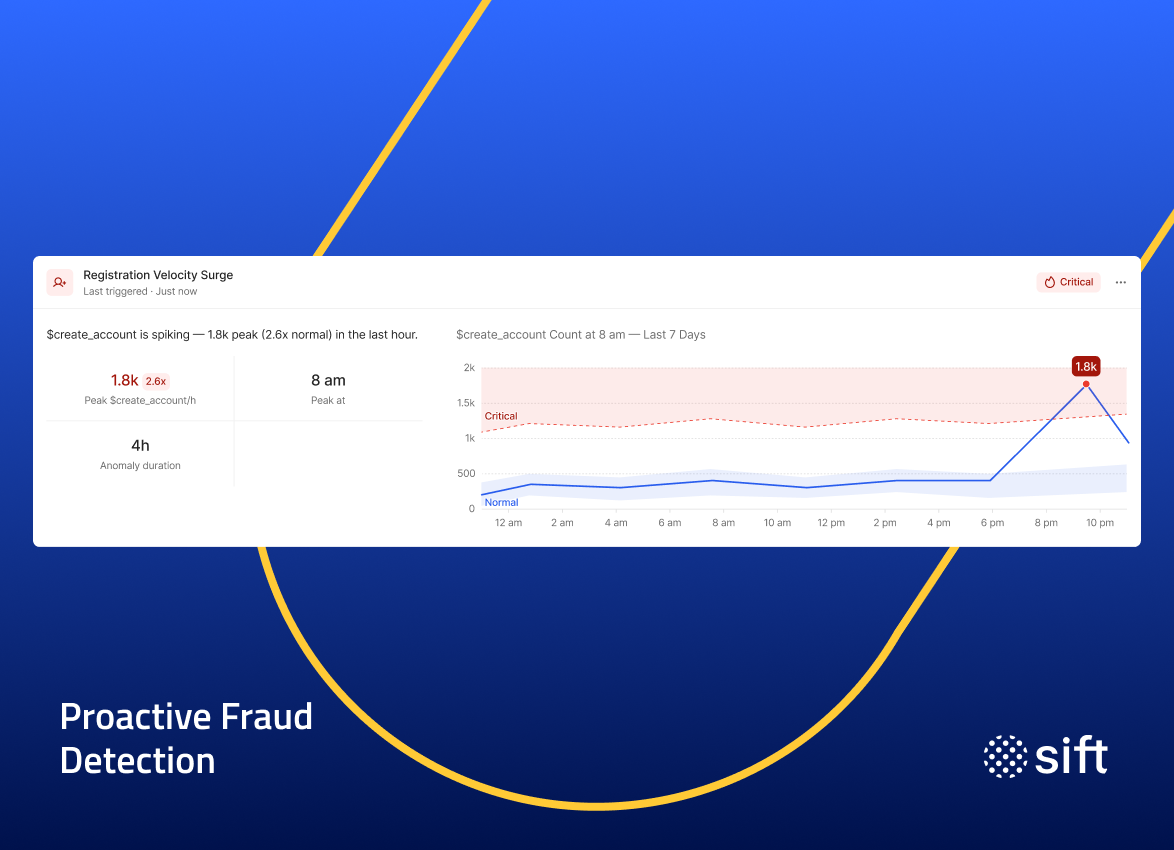
Manual monitoring can’t keep pace with modern fraud attacks. Our new, proactive fraud attack and anomaly detection layer watches for metrics that move outside expected baselines, surfacing alerts with clear investigation paths attached, rather than flagging with no clear next step. It combines adaptive thresholds, historical pattern context, and intelligence shaped by what we’re seeing across the broader network.
The difference this makes is time. Catching an attack earlier shifts the odds toward containment instead of cleanup.
Detect Account Takeover Earlier & Faster
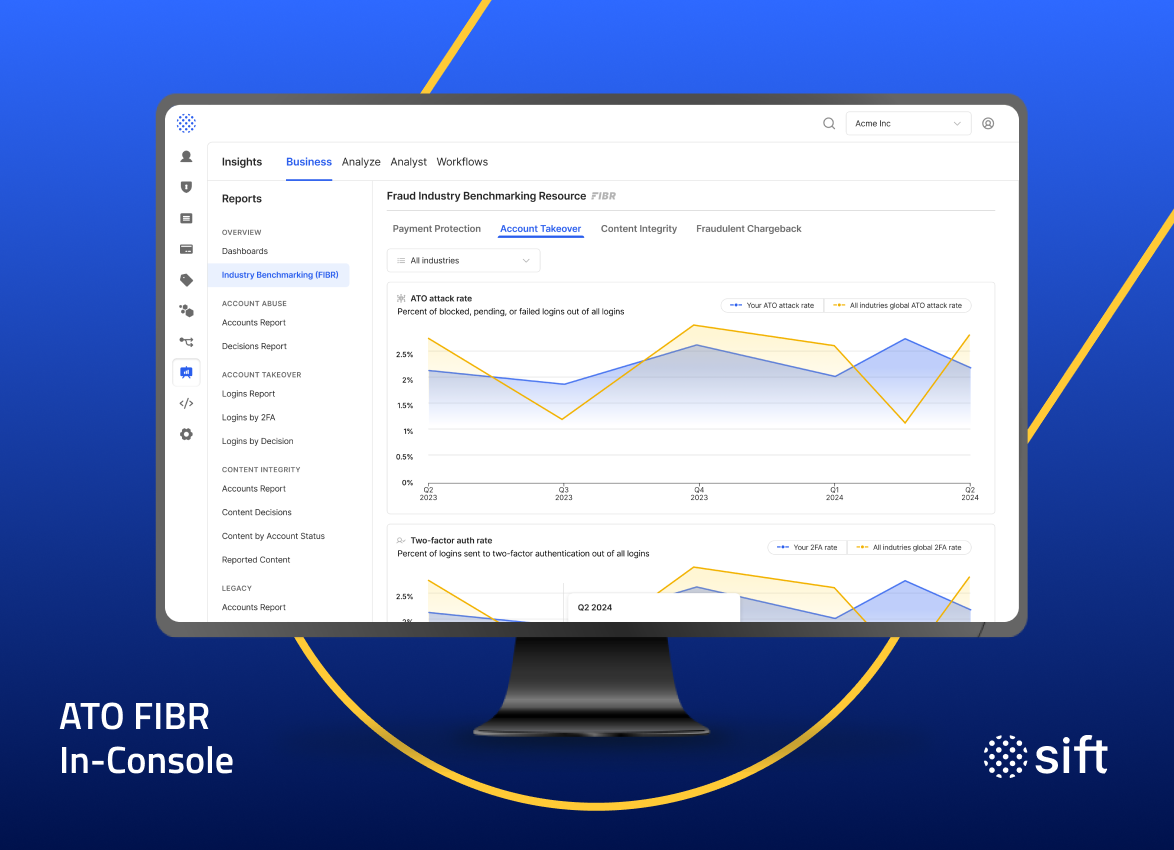
Account takeover prevention lives or dies on how early you can spot a suspicious session and how precisely you can act on it. We’ve strengthened device and login visibility with more persistent iOS Device IDs, deeper advanced intelligence for device and bot-attack detection, and FIBR In-Console benchmarking specifically for account-based risk metrics. None of this adds friction for trusted users, but it does tighten the window on unknown and illegitimate ones.
Supercharge Operations
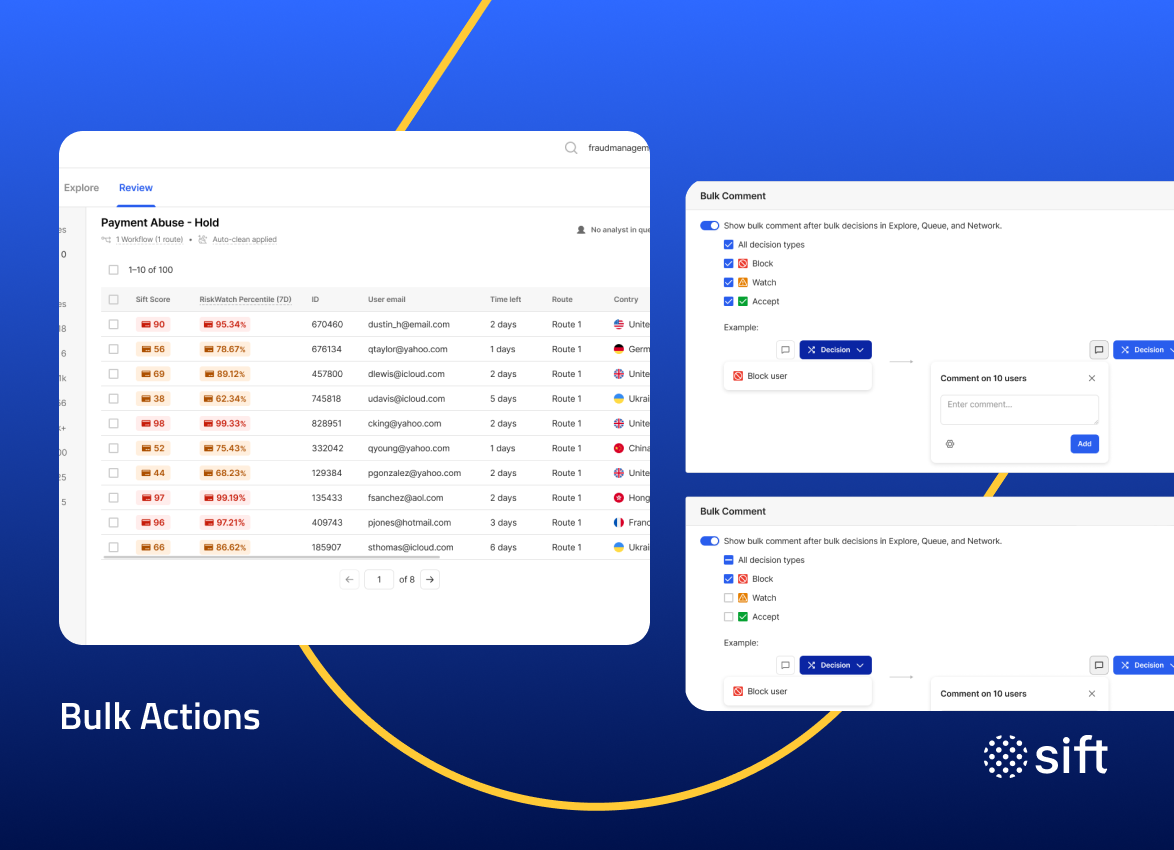
Good detection doesn’t matter if the operational layer around it is slow, and every hour your team spends on manual work is an hour not spent stopping fraud. New capabilities like Bulk commenting cuts down repetitive work during investigations. The Workflow Lists API, expanded list scale, and new advanced data export options mean decision logic can be managed programmatically instead of by hand.
Even something like our recently-released dark mode is part of the same idea: reduce friction everywhere a fraud team touches the product, beyond the headline features.
Context Means Clarity & Confidence In Every Decision
None of this is about a single smarter model. Anyone can add generative AI fluff. The real advantage is building actual intelligence on top of it: a decisioning system with actual intelligence that keeps building context, acts on it faster, and gives your team more precise control over the outcome. That’s the throughline behind every release we ship.
Today, that shows up as ActivityIQ summarizing session activity in seconds, FIBR In-Console putting your numbers next to the industry’s, ThreatClusters combining customer-specific and global models to cut false positives, and RiskWatch adapting block rates in real time as attacks rise and fall.
If you’re already running Sift, this is live in your instance now. If you’re evaluating what a true decisioning platform looks like next to a point solution, this release is a good place to start.
Book time with us to see how Sift can change how your business does fraud prevention.